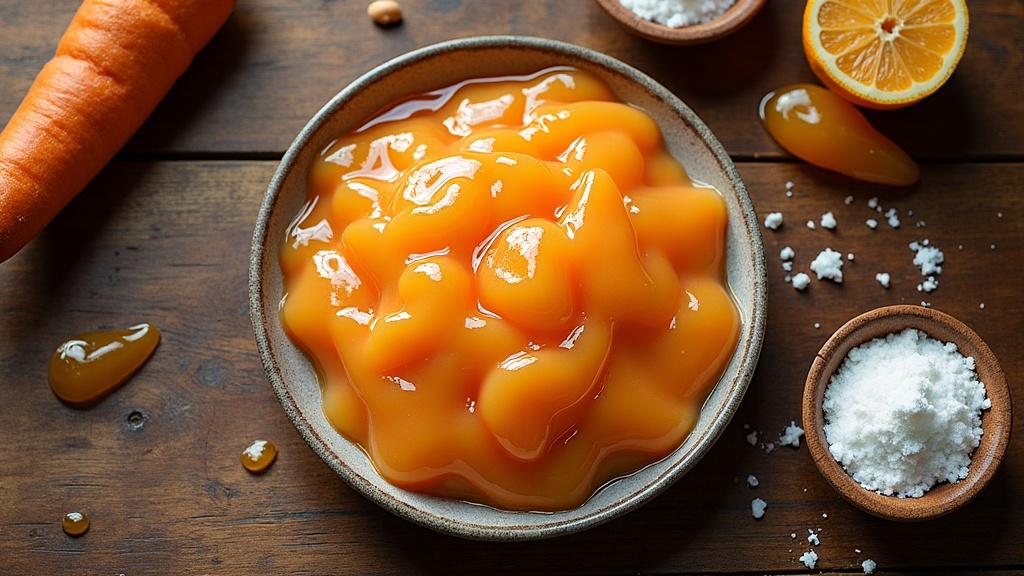
Long before it became a talking point, the pairing of baking soda and gelatin had a quiet place in kitchen traditions. This page looks at why that combination is resurfacing in everyday wellness conversations.
nSomewhere between the first cup of coffee and the last errand of the day, small shifts in the body tend to go unspoken. Here is what many women quietly notice as the years pass.
nSkin, joints, and connective tissue rely on collagen production that naturally slows with time, which is part of why baking soda and gelatin have drawn attention in kitchen-rooted routines.
The way fullness is felt after a meal can change gradually, making some traditional eating patterns feel less predictable than they once did.
Body composition tends to shift over the years, independent of the number on a scale, and this is rarely addressed by conventional diet advice.
Restrictive approaches that once felt manageable can become harder to sustain, leaving many women looking for simpler, habit-based alternatives.
Metabolism is one of the most discussed and least understood topics in women’s health conversations. A few common claims deserve a closer look.
nMetabolism only slows down after a specific birthday.
nMetabolic changes are gradual and influenced by many factors, including muscle mass, sleep, and daily activity, not a single age milestone.
nCutting calories drastically is the only way to see change.
nSustainable habits, including attention to protein intake and consistent routines, are commonly discussed as complementary to overall wellness.
nCollagen only affects the way skin looks.
nCollagen is a structural protein found in joints, connective tissue, and skin, which is why it appears in broader conversations about aging bodies.
nRather than a rigid plan, many women describe building a few consistent touchpoints into their day.
nStarting the day with a consistent, simple habit before meals or errands begin, giving the body a predictable cue.
nPaying attention to protein-rich choices and hydration around midday, when energy and focus often dip.
nClosing the day with a calmer routine that supports rest, which many women link back to their broader wellness habits.
nLong before wellness trends existed, home kitchens relied on slow-simmered broths, gelatin-set dishes, and simple pantry staples like baking soda for both cooking and household use. Grandmothers passed down these practices not as remedies, but as everyday know-how. The modern interest in baking soda and gelatin draws directly from this culinary lineage, reframing old kitchen habits through the lens of today’s conversations about protein, collagen, and consistency.
nThe insight worth noting is not that these ingredients are new discoveries, but that their long-standing culinary use is now being examined alongside modern nutritional understanding.
nNoticeable dips in energy throughout the day, unrelated to sleep quality, are commonly mentioned in women's health discussions.
Nails that seem more brittle or slower to grow than in previous years are often brought up alongside collagen conversations.
Feeling hungry sooner after meals, or less satisfied overall, is a pattern some women describe as they get older.
Mild stiffness or discomfort after periods of inactivity is frequently mentioned in connection with connective tissue health.
A gradual change in how skin looks or feels is one of the more visible signs tied to collagen-related discussions.
Some women notice their weight seems to sit differently than before, even without major changes to diet or activity.
These testimonials reflect personal experiences shared voluntarily. Individual results may vary and are not guaranteed.
nHydrolyzed gelatin is gelatin that has been broken down into smaller protein units, which some people find easier to incorporate into daily routines such as drinks or recipes.
nBoth have a long history in home kitchens, and their pairing has resurfaced in conversations about traditional habits related to collagen and digestion.
nNo. This page is educational and explores a topic and its historical context, not a prescribed program.
nNo. This content is for educational purposes only and is not a substitute for guidance from a qualified healthcare professional.
nThis page is intended for women interested in learning more about traditional wellness habits and ingredient history.
nNo. This page does not make claims about weight loss, fat burning, or any specific health outcome.
nThe video linked on this page offers a more detailed educational walkthrough of the topic discussed here.
nWatch the full explainer to understand the history and reasoning behind this conversation before deciding if it’s relevant to you.
nAdvertising Disclosure: This page contains sponsored content and affiliate links. We may receive compensation if you click on or make a purchase through links on this page. This does not affect the price you pay and helps support the content we provide.
nContent Disclaimer: The information provided on this page is for educational purposes only and has not been evaluated by the FDA. It is not intended to diagnose, treat, cure, or prevent any disease or health condition. Always consult a qualified healthcare professional before making changes to your diet, routine, or lifestyle.
nResults Disclaimer: Any testimonials or examples shared on this page reflect individual experiences and are not a guarantee of similar outcomes. Individual results may vary significantly from person to person.
n© 2026 · All Rights Reserved · /contact/
n